Greetings fellow classical educators!
It is that time of year again - Parent Practicum time.
Check out our video previewing this year's Practicum theme - Improving Your Vision. Stay tuned!


Greetings fellow classical educators!
It is that time of year again - Parent Practicum time.
Check out our video previewing this year's Practicum theme - Improving Your Vision. Stay tuned!
Summer time is approaching and that can only mean one thing… Parent Practicum season is here! Homeschooling is a journey that takes vision and careful planning. Check your bearings and plan the best route for your family at Classical Conversations’ free 3-day Parent Practicums. Join me, or any one of this year’s practicum speakers, as we explore practical tools for bringing breadth and depth to your family’s learning. Discover how the classical model takes education beyond a textbook for relational and transformational learning. CiRCE Institute founder, Andrew Kern, visits in select cities via a multimedia presentation to share his heart for education that reclaims the whole student, challenging educators everywhere to adjust their thinking.

Economically-priced Care & Camps for Kids...While you are learning, your students will be too! Whether they are being cared for in our nursery, playing and chanting in our play camps, memorizing and drawing God’s world in our geo-drawing camp, or learning more about language, writing, science, or communicating in one of our older academic camps, your students are sure to enjoy the group learning environment.
Visit Classical Conversations’ Event Calendar and register for one of these exciting and equipping events today! click here >
Each week, I have the privilege of gathering with a group of 16 and 17 year olds where we learn math and more about the God behind the language of math!
This week, we were once again learning even more about triangles. Let me just say, I love triangles! Triangles are so important in measuring and relating to God’s creation that there is a whole course called Trigonometry devoted to them! And guess what, my God is a triune God. Interesting that He would choose the triangle as a corner piece in understanding so many aspects of His creation. Very interesting, isn’t it?!?
So this week, we were contemplating triangles. Formulas for triangles, similar triangles, right-triangles, congruent triangles, … and I stopped!
“Students. What do the words congruent triangles mean?”
A student replies reading the bold text from a lesson, “Congruent triangles are similar triangles with a scale factor of one.”
“Good!” I replied. “So you could say congruent triangles are the same. They have the same side lengths and same angles.”
Frustrated and forlorn, one student states, “Well then! Why don’t we just say that then! Why do we have to use strange words!”
YES!! The moment had come! You see, I have been waiting, waiting for this fated pivotal moment. The moment when the stars aligned, and I could share a secret I learned seven years ago - a learning secret.
“Every subject has a language that we have to learn! This is called the grammar. Do you feel stupid when someone keeps using a word as if you should know what it means? I sure do! Does anyone here know what a direct object is? A few nodded, others whispered “No.” I said, “If you knew Latin or sentence patterns and structures you would.”
So it is so important to go back and ASK, what do you mean by _______? Or hustle back through a lesson and find the definition of that unfamiliar word. In order to learn anything, we have to understand the words people use and how they are using them – this is called the grammar!” If we don’t understand the words, or know the grammar, we tend to shutdown and tune out, because it really is “all Greek to me!”
I didn’t stop there. Oh no! The door had been swung open and I have been invited in! I went on … to the dialectic stage. Learning how to think and make connections; perceive relationships between subjects, between concepts and between their personal faith and their personal choices.
On and on, I went! Until finally, as I was moving into the third learning skill, rhetoric, I stopped and I asked. “Does anyone here have a tattoo?”
Attention riveted, as they each craned their necks to be sure they had heard my question correctly. Everyone shook their head, but I could tell I had struck an already contemplated cord. A tempting knock on the debate door was heard loud and clear. I allowed for a temporary trek down tattoo lane… but only to serve my greater purpose.
“Why would someone want a tattoo?” I fished.
Immediately, the answer from one student was - “To tell a story, to share a message that is important to the bearer.”
Ahhhh HAAA! Here is where I rounded out the robust and riveting discussion, by dropping my premise into place. The idea that words – speaking and writing words – are superior to images in many ways. What’s my authority? God’s illustrations and metaphors in His word. Specifically, referencing our God in speaking creation into existence and Jesus being the word of God, just to name a few. Words carry great power!
I challenged the students – work on using words well!
I concluded by saying… whether you or your friend has a tattoo or piercing or whatever… people will ask questions about it and you will eventually need words to tell the real, whole story … and that is the heart of rhetorical skills – mastering the right usage of words!
We bantered a bit more, even laughed as we shared thoughts and ideas. One student asked me, “What do you think, Ms. Shirley?” Good! They are interested in what I think. Like any good teacher would do, I let the question linger, leaving them to ponder what I might think and why. “That discussion is for another time.” Though I am disappointed that no one asked me if I had a tattoo, but I think I inadvertently let that cat out of the bag when I said, “It is by the grace of God that I don’t have a tattoo. Before the age of twenty, I was an atheist, but that’s yet another colorful story for another time!”
So I leave the rest of this discussion to your family’s dynamics, history and walk with the Lord. You can thank me (or curse me) later! :)
Either way, your family still needs to answer the question…
What is MY communication strategy?
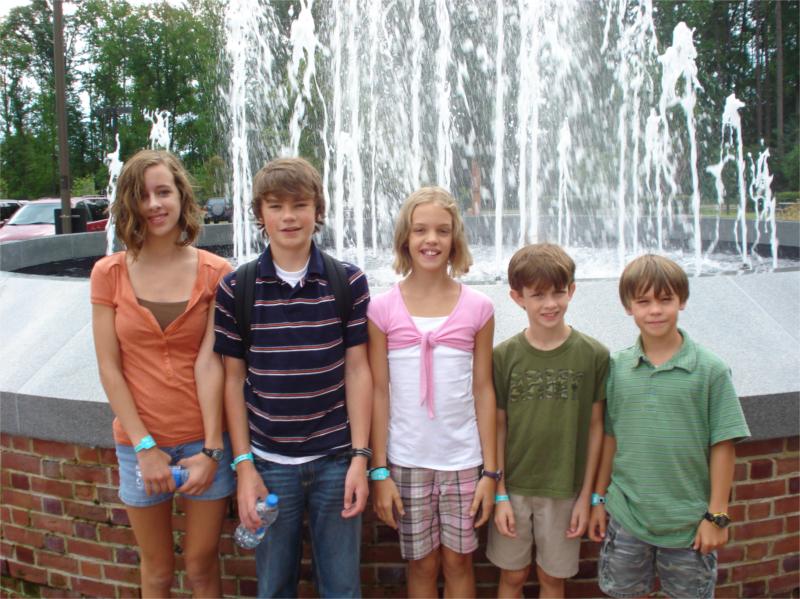
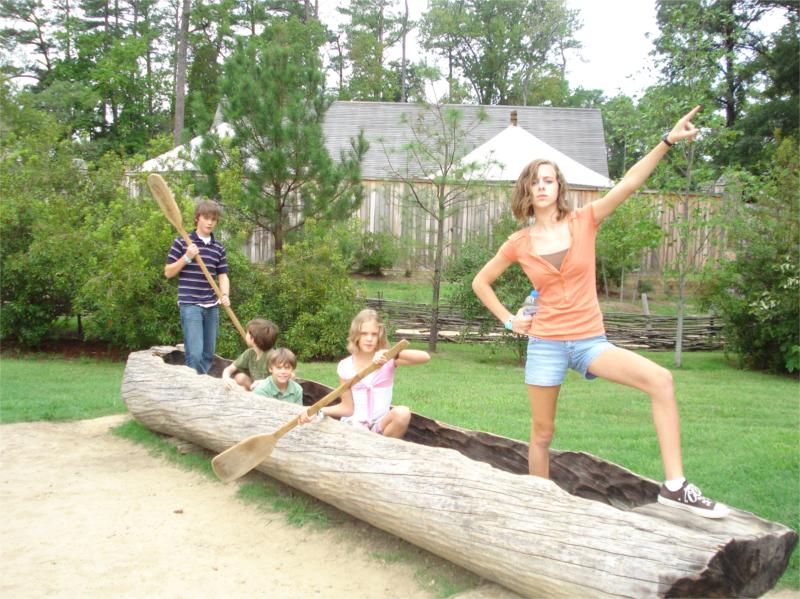
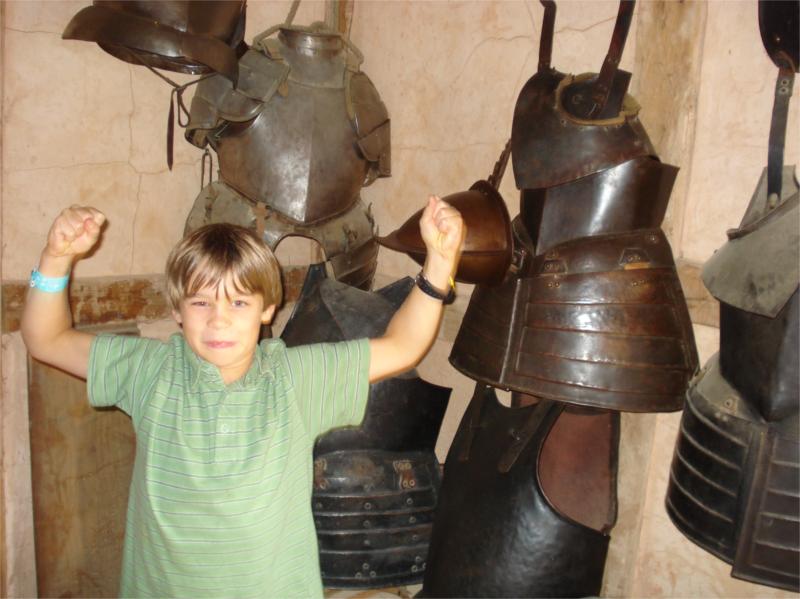
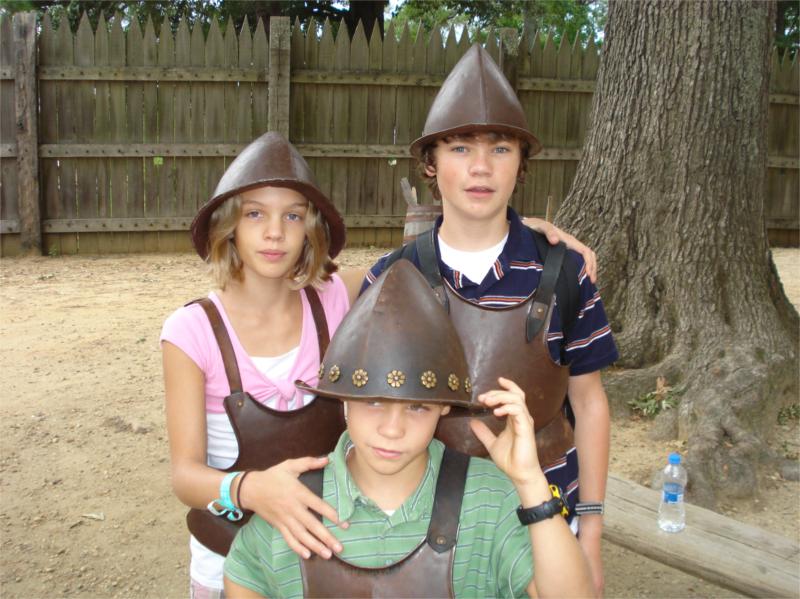
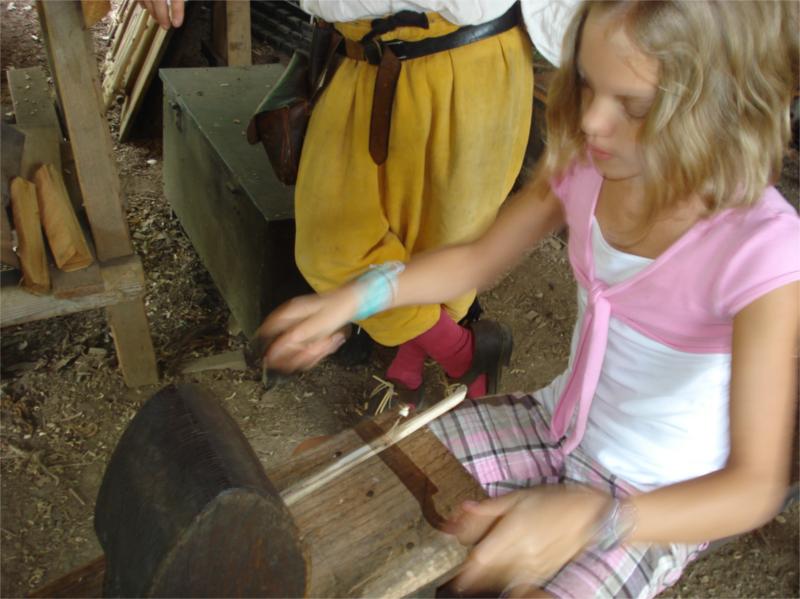
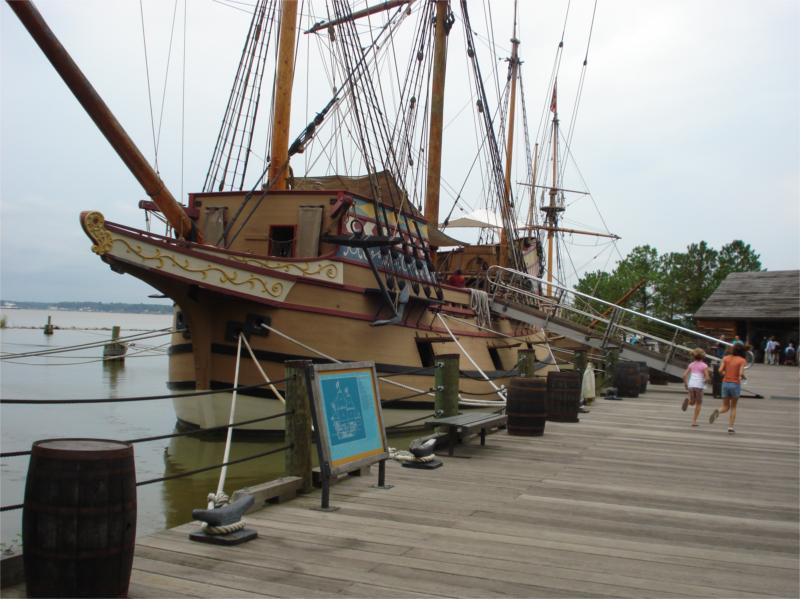
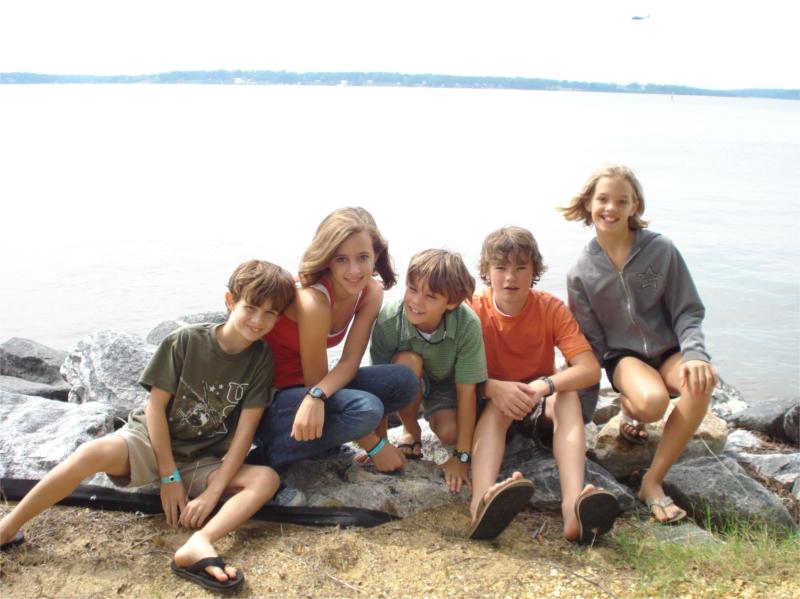
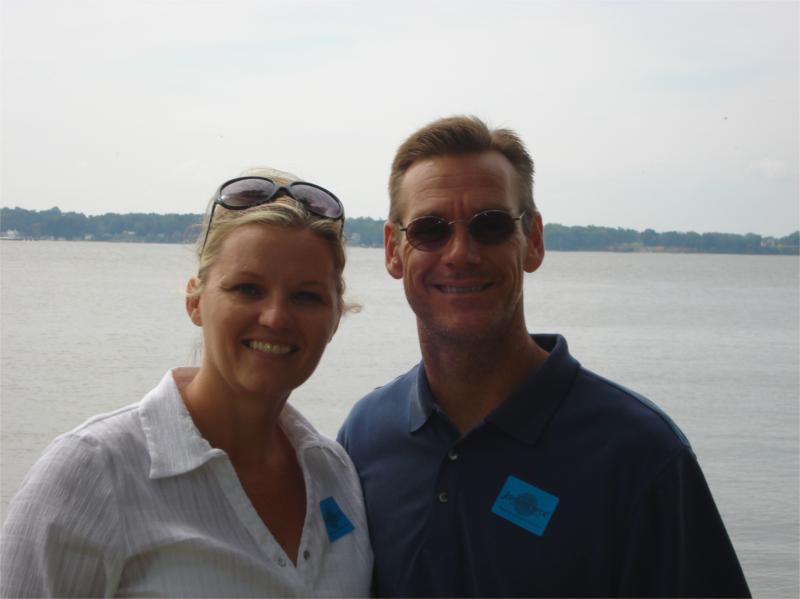
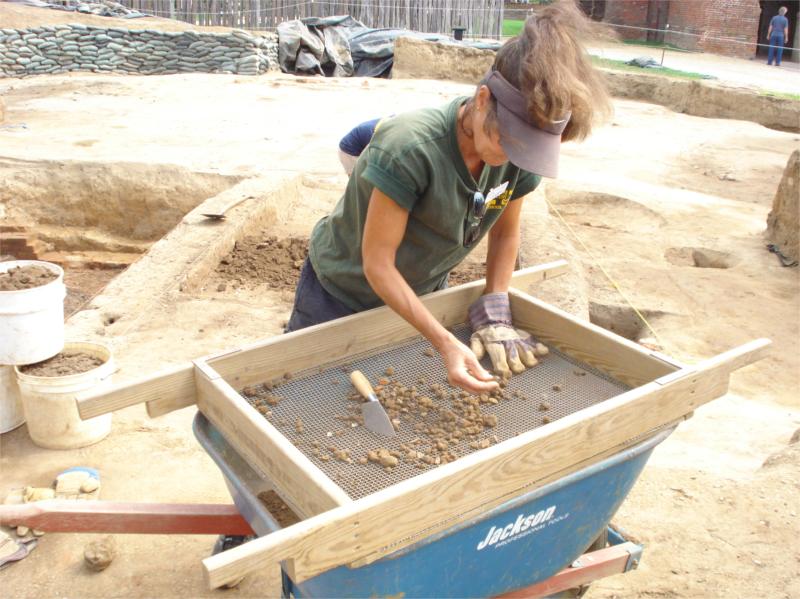
We're back! From Great Wolf Lodge (GWL) in Williamsburg, VA to touring Jamestown - the Shirley family had a wonderful trip!
If you haven't heard about Classical Conversations annual GWL in Williamburg Deal every September, you are missing out! Loads of family fun at 1/3 of the price! It is during Williamsburg's homeschool week, which is usually around the 2nd full week of September! We see other CC friends and home schoolers from across the nation!
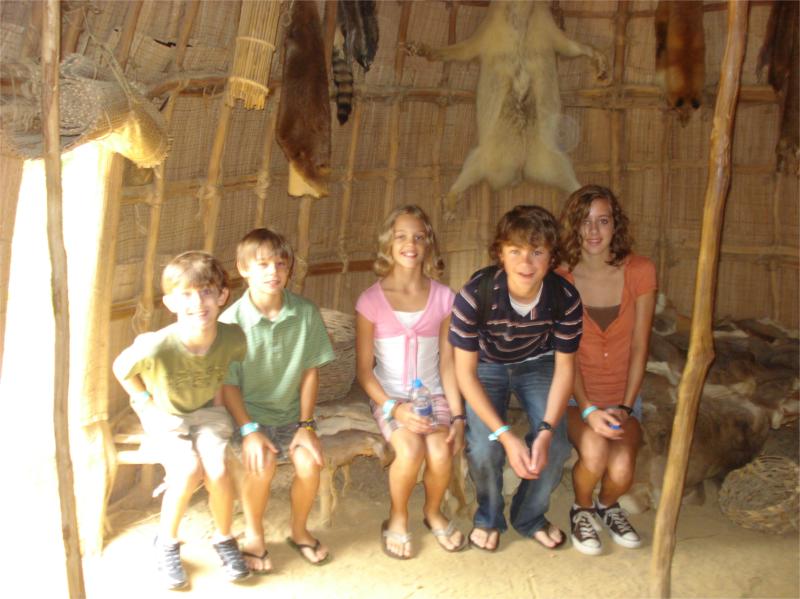
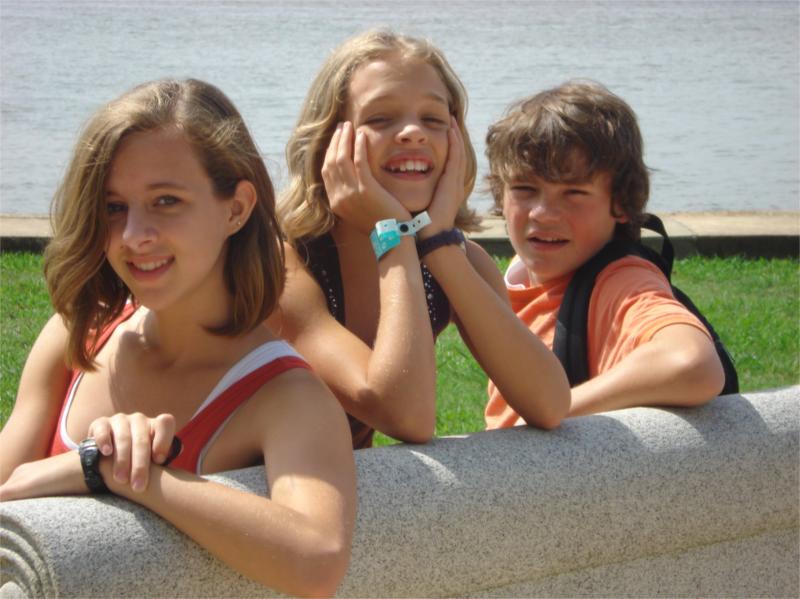
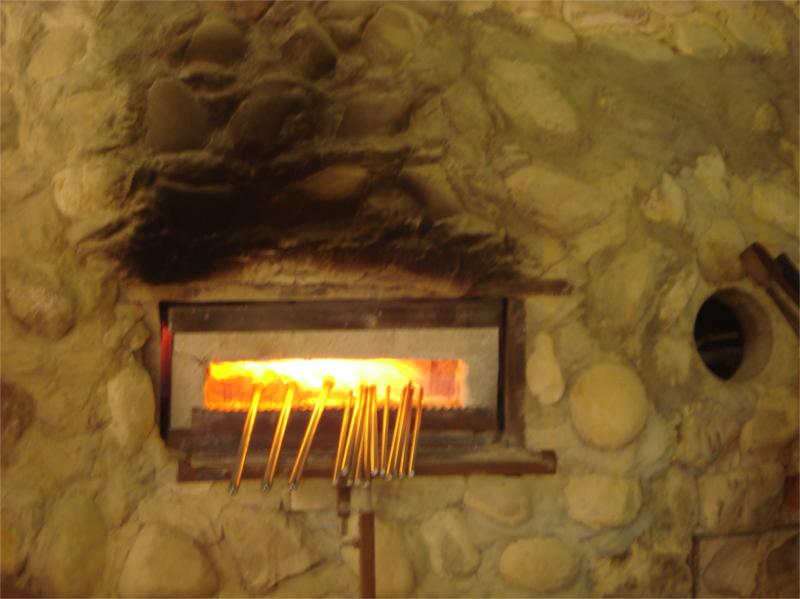
Due to the fun I was having a the GWL water park - I have no pictures of our time at the water park. However, Jamestown is a different story! I mean Jamestown was fun too, but I actually have pictures :).
Jamestown is the first permanent English settlement in the new world. It was founded in 1607.


In our generation, there has been a turning tide, a tide that has been eroding true education. In a desire to be brief, let me cut right to the chase. In short, I call it "edu-tainment." What do I mean by edu-tainment? Let me expound...

Edu-tainment replaces modeling, dialoguing and thinking with flashy tools or games, thus leaving the student in a passive state of receiving stimuli, but not really processing and owning the material or skills needed for a successful learning journey. Classical educators have referred to this approach as filling a bucket, pouring information into or around a student (the bucket) until they can't take any more. The student is viewed as a passive receiver - a bucket. Long term this edu-tainment or filling-focused approach is very unsatisfying for the student, leaving the spirit of the student disengaged, which eventually leads to disinterest in life's great learning adventure.

Classical Conversations programs, tutors, and parents strive to light the fire, to engage the student in learning process. This is primarily through modeling, working alongside the student with extensive dialogue and encouragement, and finally the student working through their studies more independently and confidently because they have had a sound model and encouraging mentors.
Now is there anything inherently wrong with tools? Of course not, but they should never replace discussions and engaging the student's brain in the thinking process. As a parent-teacher, it is easy to be fooled into thinking we are "teaching" when in fact we are simply gratified by the impressed excitement around our tool (or perhaps the quantity of worksheets we have completed), while leaving the student unchanged and relatively untaught. Beyond the immediate albeit exciting experience (or sense of accomplishment), no skill or true knowledge was effectively transferred. Teaching tools have their place, but are secondary to the hands, minds and hearts of the teacher and student.
True education employs powerful modeling and teaching, and does not merely reveal how much the teacher knows or the fancy tools they can create that reveal the teacher's creativeness... but rather true teaching and education draws thinking and connections out of the student, engaging the student in learning. Let's keep it simple. Note I did not say simplistic. Modeling, dialoguing and encouraging our students in their learning journey is hard work, and in many ways more difficult than creating a presentation or game. Let's be diligent to recover and restore true education.

Here's a simple test Leigh Bortins, Founder of Classical Conversations, uses when approaching teaching her program class and her own boys... If I only had a stick and sand, could I engage and effectively dialogue with my students about the concept I want to teach them? This helps us to rely more on modeling, dialogue and relationship then on the false sense of accomplishment a flashy presentation can leave. Minutes of effective modeling and dialogue are exponentially more effective than hours spent on presentation.

Let's be careful not to get swept up in the undercurrent of edu-tainment or should I say let's not ride the edu-tainment wave, but rather ask yourself, If all I had were a stick and sand, how would I engage and dialogue with the students concerning this skill or subject?
Visit Leigh Bortins BLOG - 1 Smart Mama
Here are a couple of important links... If you have an Essentials Guide from 2007, you may have a strange A13 page (blurred or something of the sort). Is so, here is a pdf file you can print and replace it with Essentials pA13.
Invaluable pdf file for those NEW to the EEL Guide! Want help in understanding the layout and appendices of the EEL Guide and more? Click here.

Next, for those of you who have your own laser printer at home, and would like to print pages from Appendix B or C on demand, here is a link to purchase the EEL Student Mastery Sheets download.

Psssst! Have you heard about the new CC site, Connected Classical Community. Connect with hundreds of families and educators across the US. When you register on the site, you have access to a few special Essentials printables... so you'll want to check that out! Visit Connected Classical Community and register now. If you decide you would like to subscribe to the Foundations Tier and you are a member of a local CC community, ask your director about the special coupon code to receive a substantial discount off the retail price.

Finally, note that the CC Press Room contains some important posts, announcements, press releases and wonderful CC history. So be sure to check out the CC Press Room from time to time.
 EEL focuses on the micro level – sentences to words and to revealing the underlying vocabulary code of language building blocks - learning syntax, structure and sentence components.